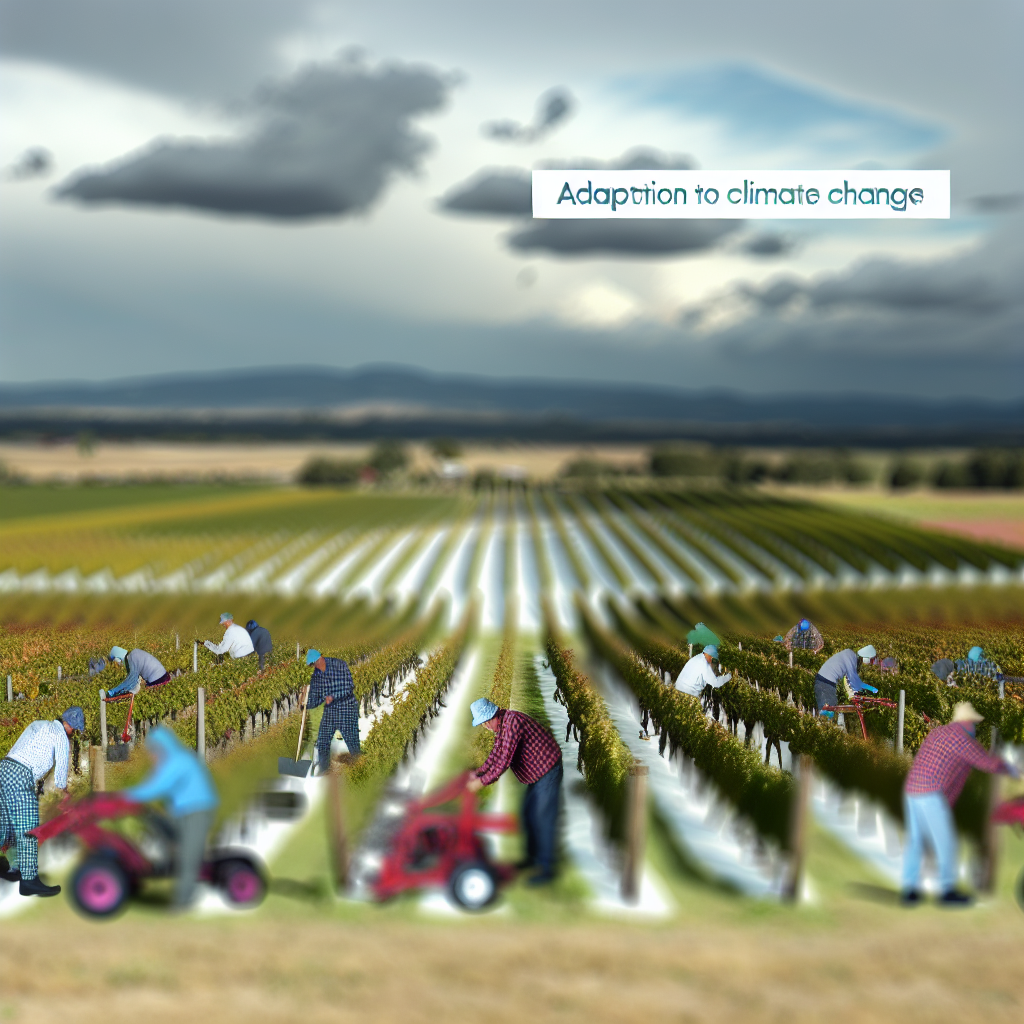
Adapting to Climate Change: Wineries Embrace the Future of Viticulture
Adapting to Climate Change: Wineries Embrace the Future of Viticulture
Climate change is a reality that the wine industry cannot ignore. As temperatures rise and weather patterns become more unpredictable, winemakers around the world are facing new challenges. From changing growing seasons to the threat of more frequent extreme weather events, the way wine is produced is evolving. In this article, we will explore how wineries are adapting to the changing climate and what the future of viticulture may look like.
Understanding the Impact of Climate Change on Viticulture
Climate change poses a significant threat to the wine industry. Rising temperatures can affect grape ripening, altering the flavor profiles of wines. Changes in precipitation patterns can lead to water shortages or excess moisture, impacting vine health. Additionally, the increasing frequency of extreme weather events such as droughts, wildfires, and storms can devastate vineyards. Wineries are recognizing the need to adapt to these challenges in order to sustain their businesses and continue producing quality wines.
Implementing Sustainable Practices: A Key to Resilience
One of the ways wineries are adapting to climate change is by implementing sustainable practices in their vineyards and production processes. This includes reducing water usage, minimizing pesticide and herbicide use, and promoting biodiversity in the vineyard. Sustainable viticulture not only helps mitigate the impact of climate change but also ensures the long-term health of the vineyard ecosystem. Many wineries are also investing in renewable energy sources, such as solar power, to reduce their carbon footprint and decrease reliance on fossil fuels.
Exploring New Grape Varieties and Terroirs
As traditional grape varieties may struggle to thrive in a changing climate, wineries are exploring new grape varieties that are more resilient to heat, drought, and disease. By experimenting with different grape varietals and planting in new terroirs, winemakers can adapt to shifting environmental conditions and continue to produce high-quality wines. This exploration of new grape varieties and terroirs also opens up opportunities for innovation and creativity in winemaking.
Collaborating and Sharing Knowledge: The Path Forward
Adapting to climate change requires a collective effort from the wine industry. Wineries are collaborating with researchers, scientists, and other industry professionals to share knowledge, best practices, and innovative solutions. By working together, the wine industry can develop strategies to mitigate the impact of climate change on viticulture and ensure the sustainability of wine production for future generations. Through collaboration and information sharing, wineries can continue to thrive in a changing climate.
Conclusion
In conclusion, the future of viticulture is being shaped by the challenges of climate change. Wineries are adapting to these challenges by implementing sustainable practices, exploring new grape varieties and terroirs, and collaborating with industry experts. By embracing innovation and taking proactive steps to mitigate the impact of climate change, wineries can ensure the continued success of the wine industry. As we look to the future, it is clear that adaptation and resilience will be key in shaping the future of viticulture.